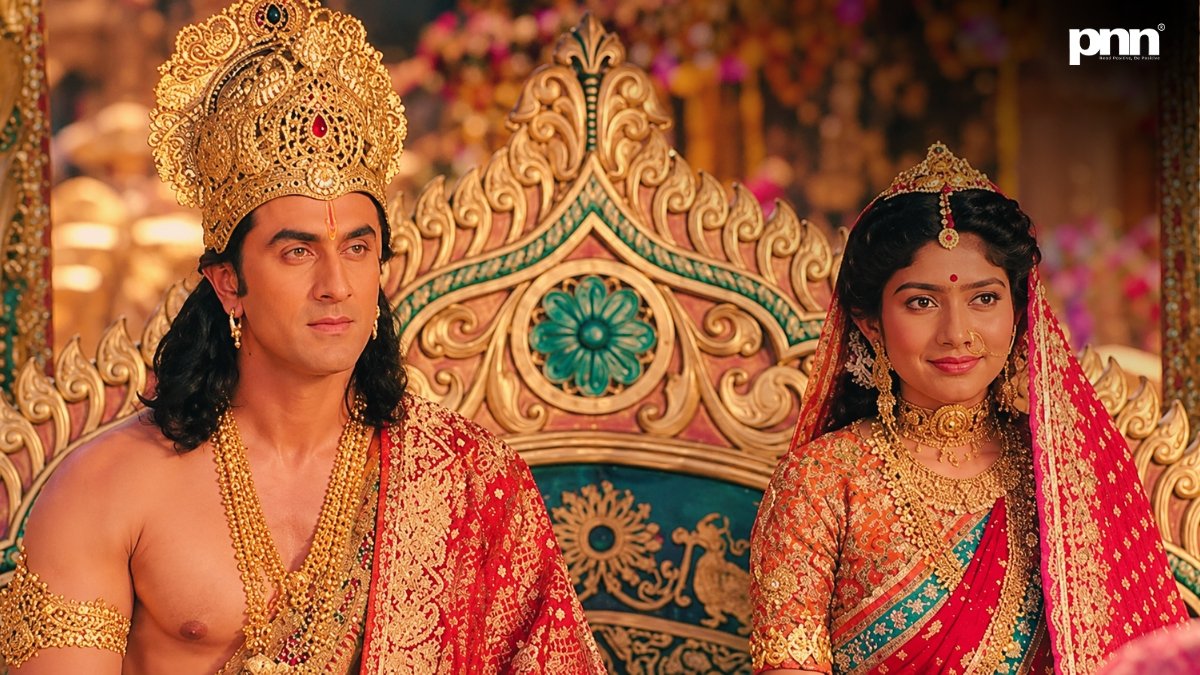

Mumbai (Maharashtra) [India], November 6: Nitesh Tiwari’s Ramayana: Part 1 dropped on November 5, 2026, and people wasted no time dubbing it one of the boldest takes Indian cinema’s ever tried on mythology. It’s a visual feast, pretty loyal to Valmiki’s original, and benefits from strong performances by Ranbir Kapoor, Sai Pallavi, and Yash. But a lot of folks who grew up on the Ramayana—the TV shows, the old songs, the temple recitations—felt a little let down by the big Hollywood-style music score. Sure, it sounds slick and modern, but it misses that emotional center you’d expect.
Same story, but on a way bigger screen
The film covers the first major stretch of the epic and stops just after Sita’s kidnapping. You’re with Rama, Sita, and Lakshmana through the forest exile, their adventures, and, finally, the clash with Ravana’s forces. Most critics agree that the movie sticks to Valmiki’s plot but adds some cinematic moves—like a deeper look at Ravana’s side.
It runs long—steady at three hours and fifteen minutes—so be ready to settle in. The world-building, costumes, sets, action: all of that draws praise. Still, some say the pacing drags here and there; certain parts feel padded out instead of gripping.
The actors are the real heroes
Ranbir Kapoor does Rama quietly but with a genuine touch. Sai Pallavi gives Sita both grace and backbone. And then there’s Yash, who pretty much walks away with the movie. His Ravana is magnetic and powerful—a real highlight.
A lot of people think the film hits its stride when it dives into Ravana’s backstory or ramps up the big action, like the Jatayu fight. But some of Rama’s big moments feel a little soft—like they pull their punches, emotionally. Lakshmana’s lighter scenes, too, sometimes undermine what should be tense, high-stakes drama.
This isn’t your grandma’s Ramayana
Let’s be honest: the Ramayana—not just from Valmiki, but Tulsidas, the TV shows, and all those neighborhood temple versions—isn’t only a story. It’s a devotional experience. Ideas like duty, sacrifice, longing, brotherhood—they come alive through songs, repeated lines, and silence.
Tiwari keeps the heart, but dials it into blockbuster territory: massive VFX, quick cuts, cosmic landscapes, mythic monsters, and huge battle scenes. That’ll hook a new generation who knows the epic mostly through movies. But sometimes, the movie seems more invested in wowing you with visuals than inviting you to reflect.
Here’s a basic breakdown:
- Traditional Ramayana: Rama’s exile, Sita’s kidnapping, the showdown with Ravana—all told through stories, songs, and deep feeling.
- Ramayana: Part 1: Same backbone, stops at Sita’s abduction, but goes heavy on visuals and speed.
- Ravana: Usually painted as a conflicted villain; here, he’s even more layered, almost an anti-hero.
- Music: The soul of emotion and devotion in the epic; in the film, it’s grand, but doesn’t always hit that same spiritual note.
- Pacing: Ramayana as a story takes its time. The movie pushes forward, sometimes tripping over its own momentum.
And about that music
The score is by Hans Zimmer and A.R. Rahman. On paper, wild. But honestly, that’s where a lot of criticism lands. Some say the music feels too much like Zimmer’s Hollywood scores and doesn’t really crack open the devotional or emotional side you get from Rahman’s best Indian soundtracks.
Western audiences probably love the grand, sweeping sound. It’s dramatic, it feels legendary. But for a lot of Indians, the Ramayana is full of emotional textures—the ache of separation, the holiness around Rama, Sita’s heartbreak, Ravana’s ambition. Early reviews and audience reactions say this score just doesn’t always hit those nerves. Scenes look epic but sometimes don’t feel epic enough.
So yeah, the music fits a global fantasy blockbuster, but it rarely sparks the kind of devotion that Indian audiences connect to. The film wants you to marvel at its world, but the tradition asks you to be moved by it.
Final Words
Ramayana: Part 1 is a real visual achievement, rooted in tradition, and driven by actors who give it their all—especially Yash as Ravana. The scope rivals anything playing worldwide, and it puts Indian mythology on the global map.
But it doesn’t quite pull you in emotionally, at least not the way the old stories do. It shows you the vastness of the Ramayana, but struggles to bring out its heart. For many Indian viewers, what’s missing is the magic of the music—the feeling that, with the right sound, all that spectacle could burst into true devotion.